From Dundee to HVDC: Building the Future of the UK Grid
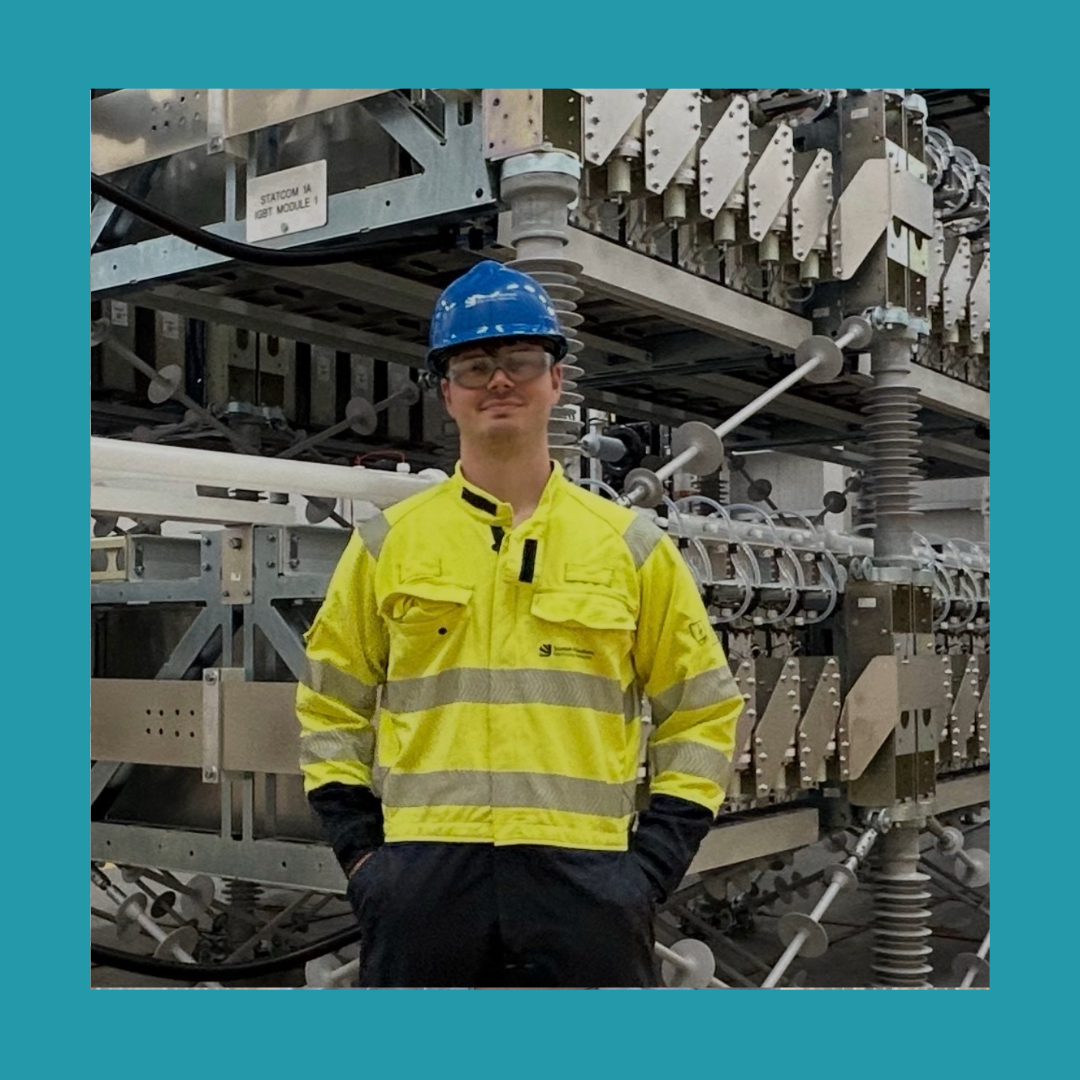
After studying Mechanical Engineering with Renewables at the University of Dundee, Ben joined SSEN Transmission's HVDC Engineering Graduate Programme in 2024. Based in Perth and working on the Eastern Green Link 3 (EGL3) project, he has already contributed to major infrastructure projects that are helping strengthen the UK's electricity network. From supporting world-first innovation at the National HVDC Centre to travelling from Sweden to Shetland as part of his role, Ben reflects on his experiences so far and shares his advice for anyone considering a graduate career with SSE.
Tell us a bit about yourself and your journey to becoming a graduate at SSE.
I studied Mechanical Engineering with Renewables at the University of Dundee and joined the HVDC Engineering Graduate Programme at SSEN Transmission in September 2024. My home project is Eastern Green Link 3 (EGL3), and I'm based in Perth.
How did you find the recruitment process and what advice would you give to someone thinking about applying for the graduate programme?
I found the recruitment process straightforward and well structured. The recorded video interview was probably the most challenging part, as it can feel a bit unusual speaking to a camera rather than having a conversation with a person. Because of that, it's easy to lose track of what you want to say when answering the questions.
My advice would be not to rely on AI to think for you. The video interviews are reviewed by real people, and it's usually obvious when someone is reading from a screen. Instead, use the time between questions to jot down a few bullet points. That helps you stay focused and gives a much more genuine insight into who you are and what motivates you.
Which sectors did you consider applying to for your graduate role? What made you choose SSE?
I only applied for graduate schemes in sectors that I felt would have a positive impact on society. As an engineering graduate, you have the opportunity to work across a wide range of industries, but I was particularly drawn to organisations that are helping tackle some of the biggest challenges facing the country.
SSE makes it clear that sustainability is a top priority, and the case for upgrading the electricity grid is a strong one. Being part of that transition was a major factor in my decision to apply.
Looking back over the programme, what have been your biggest learning experiences or achievements?
Working on my home project, EGL3, I feel proud to have contributed to one of the largest infrastructure projects in the UK and one that is essential for both energy security and reducing national emissions.
My placement at the National HVDC Centre also gave me the opportunity to support work on Project Aquila Lite, a world-first innovation aiming to enable interoperability between HVDC systems from different manufacturers. This work is helping to lay the foundation for future HVDC grids.
The graduate scheme has also given me the opportunity to visit some incredible places through work, from Sweden to Shetland, which has been a real highlight.
How has the graduate programme helped you develop professionally?
SSE has been very supportive of my continuing professional development (CPD). Soon after joining the graduate scheme, I was paired with an IMechE mentor who helped me set goals and structure my development. With their guidance, I'm working towards achieving Incorporated Engineer (IEng) status.
- engineering grad
- graduate
