From Biomedical Engineering to Power Systems: Building the Grid of the Future
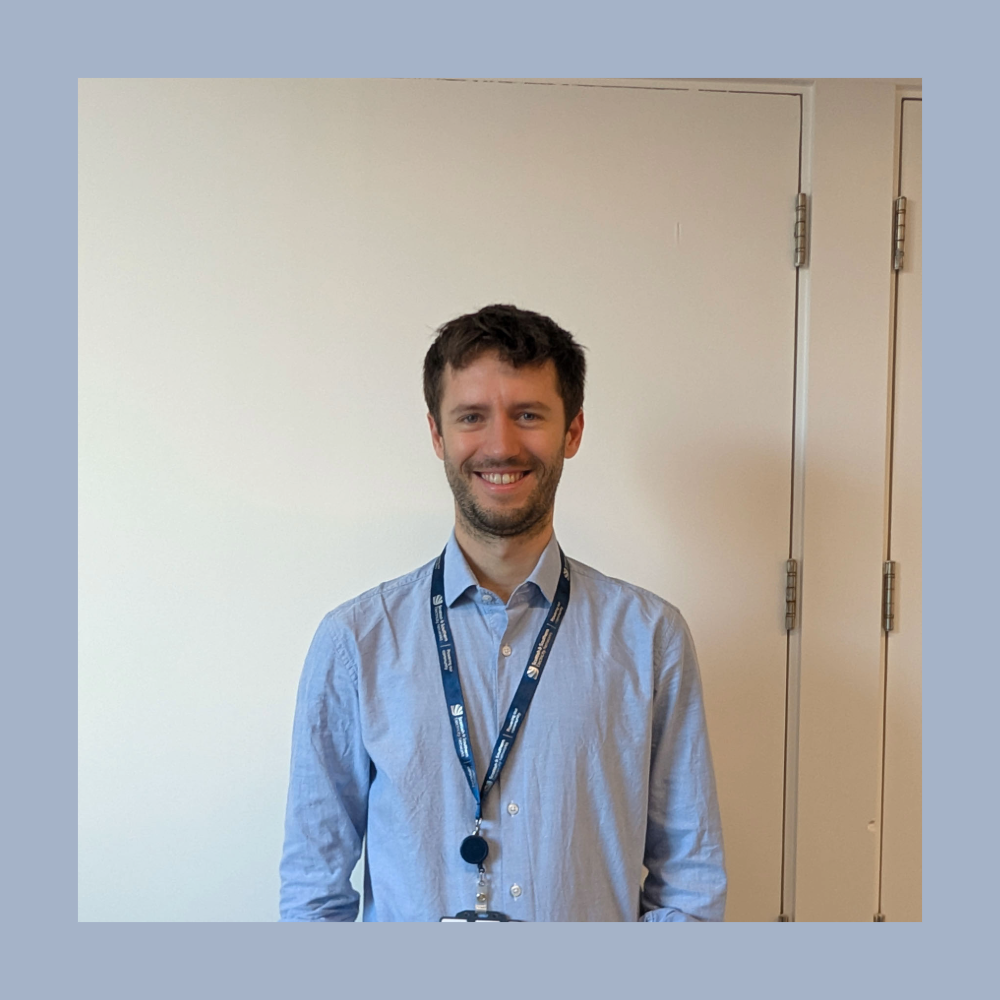
When Alasdair Hambrey joined SSEN Transmission's Power System Engineer Development Programme, he brought a background in biomedical engineering and a passion for solving complex engineering challenges. Drawn by the opportunity to support the transition to a renewable electricity system, Alasdair was keen to build a career that combined technical development with meaningful work on the future of the energy network. Through structured training, diverse placements and exposure to specialist teams across the business, the programme provided a strong foundation for his career in Power Systems. Here, Alasdair reflects on his experience and the lessons he has learned along the way.
What engineering discipline were you working in before joining the Power System Engineer development programme?
Before joining the programme, I was working in Biomedical Engineering.
What attracted you to the development programme specifically?
I was attracted by the opportunity to contribute to the planning and development of the electrical infrastructure needed to support a renewable based electricity grid. The energy industry is undergoing a period of significant change and I wanted to be part of an area that is both strategically important and evolving rapidly.
Having grown up in the north of Scotland, I was also keen to work in a role that contributes to the development of the region while helping to harness its natural resources in a sustainable way. The prospect of joining a growing business with strong long term opportunities was particularly appealing.
What stood out most was the structured nature of the trainee programme. It offered the chance to gain experience across several areas of Power Systems before choosing a specialism, while continuing to develop my engineering skills through meaningful work on real world challenges. SSE's employee benefits and commitment to learning and development were also important factors in my decision.
Before joining, what did you think a Power System Engineer actually did?
Before joining, I understood that Power System Engineers used engineering analysis to plan, design, assess and maintain electrical power systems. What I did not fully appreciate was the sheer breadth of work that falls under that title.
Since joining, I have gained exposure to everything from long term network planning and investment decisions through to power quality studies, electromagnetic transient analysis, system modelling, control systems and data driven engineering activities. The variety of work has been much greater than I expected and has highlighted just how wide ranging the discipline really is.
Was the development programme different from your expectations?
Yes, particularly the dedicated training period at the start of the programme. I expected most of my learning to come through day to day work, supported by the occasional training course. Instead, the programme began with an intensive two month training period that provided a comprehensive introduction to power system theory, network planning, industry standards, analytical techniques and the software tools used across the business.
That foundation proved invaluable. It helped me make the most of my placements by giving me the knowledge and confidence to ask informed questions, find the right resources and better understand the wider context behind the work being carried out.
The quality of the training also exceeded my expectations. Learning from experienced engineers who could draw on real project examples helped bridge the gap between theory and practical application. I was also surprised by the variety of opportunities available across the placements and by how diverse the field of Power Systems is.
Which parts of the development programme were most valuable?
One of the most valuable aspects was the intensive classroom based training, which covered power system fundamentals, analytical techniques, engineering theory, industry standards and PowerFactory software.
I particularly enjoyed learning from engineers with extensive industry experience and gaining exposure to specialist topics that I would not otherwise have encountered so early in my career.
Another highlight was my introduction to electromagnetic transient analysis within the System Performance team. This included training in PSCAD and the opportunity to contribute to live project studies, which provided valuable insight into highly technical areas of the business.
The programme also helped me develop my programming and data analysis skills through Python development, data processing, object oriented programming and version control using Git. Combined with exposure to different business functions and engineering disciplines, this gave me a broader understanding of how power system studies support the planning and operation of the transmission network.
Which placement contributed most to your development and why?
I gained valuable experience from every placement, so it is difficult to identify a single one as the most impactful. Across the programme I developed my understanding of electromagnetic transient analysis and PSCAD, while also strengthening my ability to use Python to process, analyse and present engineering data. I also had opportunities to automate elements of simulation work within PSCAD and PowerFactory.
If I had to highlight one placement, it would be my time within the System Performance team. The structure of the placement worked particularly well, with clear guidance, regular feedback, meaningful responsibilities and strong development opportunities throughout. This created an environment that supported both my learning and professional growth.
Looking ahead, one improvement I would suggest for future cohorts would be to formalise the placement manager role and objective setting process at the beginning of each placement. Bringing together the trainee, line manager and placement manager to agree objectives and development opportunities from the outset would help ensure expectations are aligned and that placements are planned as effectively as possible.
What would be your advice to someone who's considering applying?
I would strongly encourage anyone with an interest in helping to engineer the electricity grid of the future to apply.
The energy industry is undergoing a once in a generation transformation, creating opportunities to work on technically challenging projects that support the transition to a low carbon future. It is an exciting and rewarding environment where you can see the impact of your work on society.
Power Systems combines engineering analysis, mathematics, data analysis, software tools and teamwork to solve complex problems. The challenges are significant, but so are the opportunities to learn and develop.
For anyone looking to build a long term career in the industry, the trainee programme provides an excellent starting point. The combination of structured technical training and practical experience across multiple areas of the business gives you a strong foundation and helps you develop the skills needed to succeed in a highly specialised and rapidly evolving field.
- Power Systems Engineering
