From Electronics to Power Systems: Finding a Route into the Energy Transition
When Barry Allan joined SSEN Transmission's Power System Engineer Development Programme, he was looking for more than a career change. Having studied Electronic Engineering and spent several years working in the electronics industry, he was keen to move into a sector that plays a critical role in the transition to a low carbon future. The development programme offered a structured pathway into Power Systems, providing technical training, practical experience and exposure to a wide range of specialist teams. Barry shares his experience of the programme and the lessons he would pass on to others considering a similar move.
What engineering discipline were you working in before joining the Power System Engineer development programme?
I studied Electronic Engineering at university before spending three years working in the electronics industry.
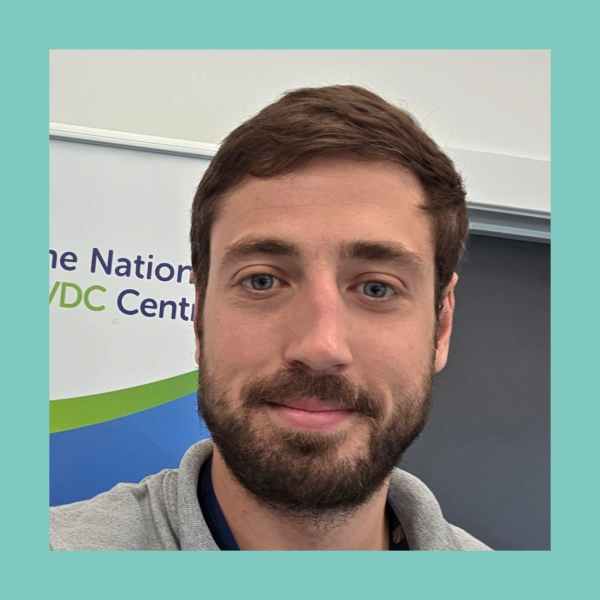
What attracted you to the development programme specifically?
I have always been interested in Transmission and the important role it will play in supporting the future energy system. The Development Programme stood out because it offered a structured route into the industry, particularly as I did not come from a power systems background
I was looking for an opportunity to develop new skills while contributing to an area that will have a lasting impact on how electricity is generated, transported and used. The programme provided a clear pathway into Power Systems and gave me confidence that I could successfully make the transition from another engineering discipline.
Before joining, what did you think a Power System Engineer actually did?
Before joining, I expected the role to focus mainly on analysing how the electricity network operates. I associated it with areas such as generation, load flow, transmission and understanding how the system responds to changing conditions.
I also recognised that Power System Engineers play an important role in supporting the journey to Net Zero, as this was a common theme whenever I researched the profession. However, I had only a limited understanding of the day to day responsibilities and the range of work involved. Looking back, I knew much less about the role than I realised at the time.
Was the development programme different from your expectations?
In some ways yes, and in others no.
I expected there to be a strong emphasis on learning through workplace experience, and that was certainly the case. What surprised me was the amount of structured learning that accompanied it. The eight weeks of classroom based training provided a solid foundation before moving into the different placements and helped make the transition into the industry much smoother.
The opportunity to spend time across multiple teams was another aspect I found particularly valuable. It gave me a broader understanding of the business, the different types of engineering work involved and how teams collaborate to support the network.
What stood out most, however, was that the programme genuinely felt like a development opportunity. The focus was on helping me learn, grow and build a long term career rather than simply filling a resource gap. That was a very positive experience and something that exceeded my expectations.
Which parts of the development programme were most valuable?
The initial classroom training was one of the most valuable parts of the programme. It gave me a strong introduction to the fundamentals of power systems engineering and significantly reduced the learning curve when I moved into my first placement.
Having that foundation helped me ask better questions, develop new skills more quickly and contribute more confidently to the work of the teams I joined. Rather than feeling overwhelmed by the challenge of entering a new industry, I felt equipped to learn and engage from the outset.
As a result, my first placement was a much more enjoyable and productive experience than it might otherwise have been.
Which placement contributed most to your development and why?
The Power System Modelling placement played a significant role in my early development. It allowed me to build a strong technical foundation, develop new skills and apply them to real project work. Through this placement, I gained a much deeper understanding of how network data, assumptions and model quality can influence engineering studies and their outcomes.
I also valued being given meaningful responsibility within the team. That helped me feel like a trusted contributor and allowed me to develop both technically and professionally.
My placement within the System Performance team was equally valuable. It strengthened my studies knowledge and exposed me to work that I may not have encountered in my eventual permanent role. I gained insight into how system behaviour is assessed under different network conditions and how study outputs are used to identify risks and support decision making.
Together, these placements provided a well rounded development experience and helped shape my understanding of the wider discipline.
What would be your advice to someone who's considering applying?
My advice would be to make the most of every opportunity the programme offers. Experiences like these do not come around often and the range of learning available is something that can have a lasting impact on your career.
I would also encourage people from less traditional backgrounds not to be discouraged from applying. You do not need to come from a purely electrical engineering or power systems background to succeed.
The Development Programme provides a supportive environment in which to build the knowledge, skills and experience needed to work in Power System Analysis. If you are willing to learn, ask questions and embrace new challenges, it offers an excellent route into an exciting and rapidly evolving industry.
- Power Systems Engineering
