From a General Engineering Background to Power Systems: Discovering a Specialist Career
When Zekrya Ishan joined SSEN Transmission's Power System Engineer Development Programme, he was looking for an opportunity to specialise and build on his broad engineering experience. Having worked in both a technology startup and a control panel manufacturing environment before returning to education to complete an MSc in Electrical and Electronic Engineering, he was interested in the electricity network and the important role it plays in the energy transition. The programme offered the technical training, practical experience and flexibility he was looking for, while also giving him the chance to experience life in Scotland. Here, Zekrya reflects on his journey so far.
What engineering discipline were you working in before joining the Power System Engineer development programme?
Before joining the programme, I had completed a Bachelor of Engineering and spent a couple of years working in industry. During that time, I worked in both a technology startup and for a control panel manufacturer, which allowed me to develop a broad range of technical skills and experiences.
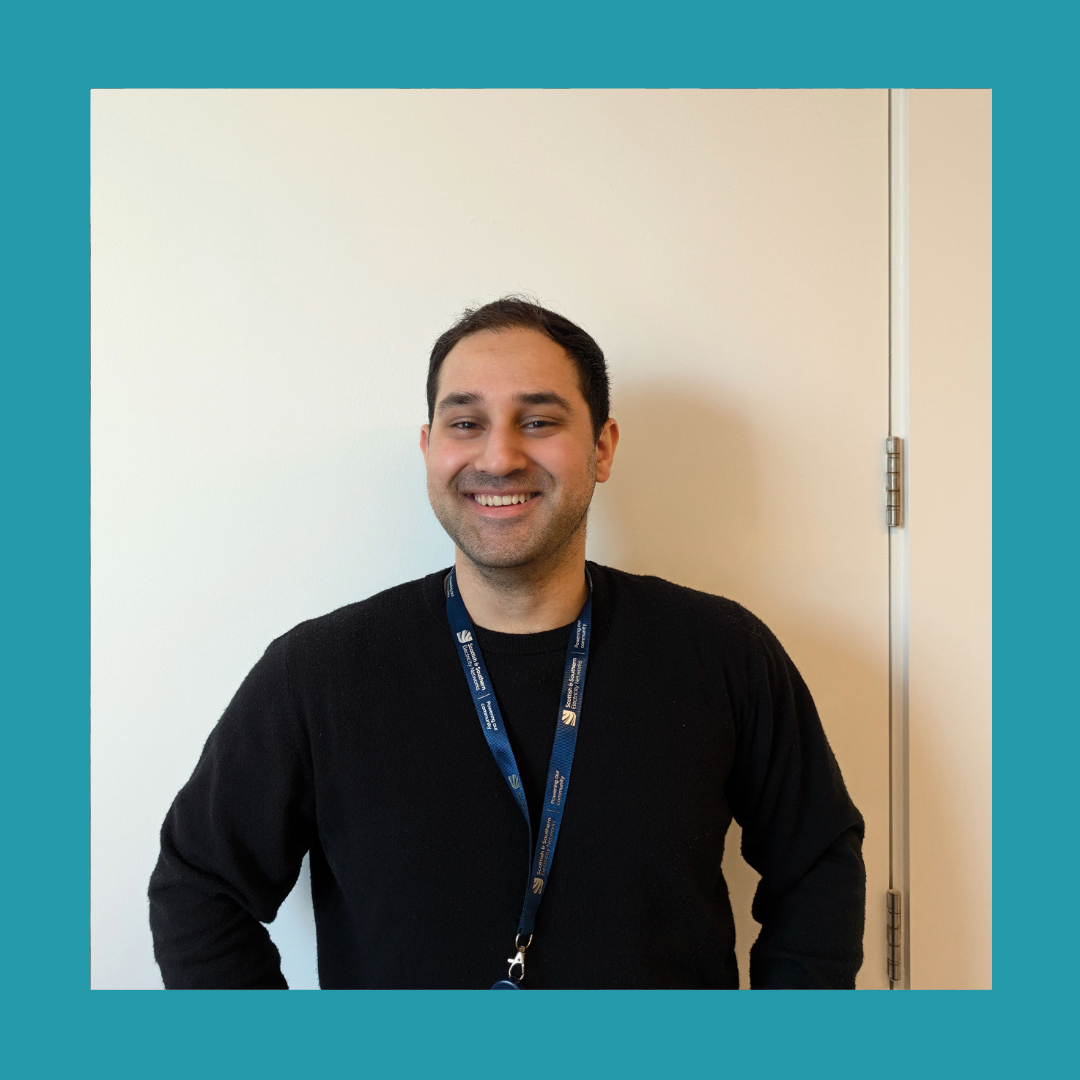
While I enjoyed the variety of work, I eventually decided to return to education to complete an MSc in Electrical and Electronic Engineering. That decision ultimately led me to the Power System Engineer Development Programme.
What attracted you to the development programme specifically?
My background gave me a fairly broad engineering skillset, but I was keen to specialise and develop expertise in a field that genuinely interested me. I had become increasingly interested in the electricity grid and the challenges facing the energy industry, particularly as the transition to cleaner sources of energy continues to accelerate.
The opportunity to train as a Power System Analyst at such an exciting time for the industry felt like an ideal fit. It offered the chance to build specialist knowledge while working on real engineering challenges that will help shape the future energy system.
An additional attraction was the opportunity to experience life in Scotland, which made the move even more appealing.
Before joining, what did you think a Power System Engineer actually did?
Before joining, I had a general understanding that the role involved modelling and simulation work, but I did not fully appreciate the depth and breadth of activity involved.
What surprised me most was the amount of work related to network planning, engineering standards and the wide variety of technical studies that support decision making across the transmission network. Since joining, I have gained a much better understanding of how diverse the field is and how many different specialist areas sit within Power Systems.
Was the development programme different from your expectations?
I would say it exceeded my expectations.
The quality of the initial eight week training programme gave us a very strong foundation, both in understanding the role itself and in learning how the wider business operates. It provided the knowledge and context needed to get the most from the placements that followed.
I also thoroughly enjoyed each of the placements and appreciated the flexibility to explore different areas based on my interests. One area I was particularly keen to develop was automation, and I was able to spend time writing Python scripts and designing real time dashboards as part of my work.
The placement within the System Performance team was another highlight. I was impressed by the technical depth of the work being undertaken and it reinforced my interest in contributing to that area in the future.
Which parts of the development programme were most valuable?
One of the most valuable aspects of the programme was the opportunity to spend time with different teams and experience a range of specialist areas.
My placement within the System Performance team provided direct exposure to specialist power system studies and helped me develop a greater understanding of the technical work that supports the operation and development of the network. Other placements focused more on network knowledge, giving me a broader understanding of how the transmission system functions as a whole.
I also valued the opportunity to build professional relationships across the business. Working with a variety of teams helped me expand my network, improve my communication skills and develop many of the softer skills that are essential for a successful engineering career.
What would be your advice to someone who's considering applying?
My advice would be not to be discouraged if you come from a less traditional background.
One of the strengths of the programme is its flexibility and accessibility for people with different experiences and educational pathways. You do not need to have followed a purely power systems route to succeed.
What matters most is having a genuine interest in the energy industry, a willingness to learn, strong problem solving skills and the ability to work effectively with others. If you bring those qualities and are excited by the opportunity to contribute to the future energy system, the programme provides an excellent environment to develop and grow.
- Power Systems Engineering
